Quick heads up: This is based on my experience at SRMIST KTR. The program structure, selection process, and details might vary at other institutions. This is my take on how it worked for us.
The Apple × Infosys iOS Developer Program isn't just another certification. It's a year-long transformation from college student to product builder. Let me walk you through what it actually takes to get in, what happens inside, and whether it's worth it.
The Selection Process
Applications open in your 4th semester via a Google Form. You fill it with your profile details - CGPA, projects, skills, whatever you've done so far.
From around 2,000+ applications, roughly 350 students get shortlisted purely on profile strength. If you make it through, you get called for the bootcamp.
The Bootcamp - Where Selection Really Happens
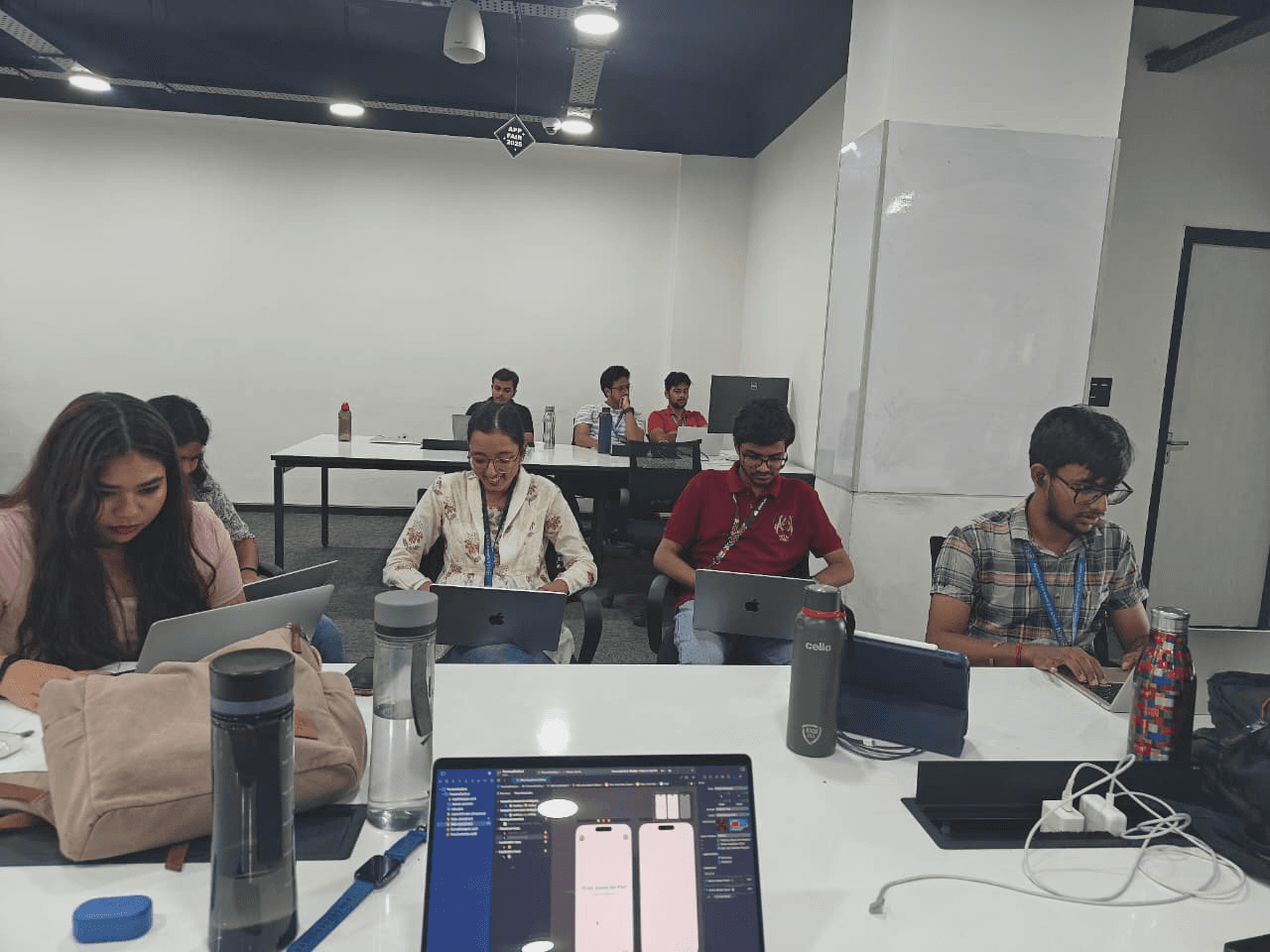
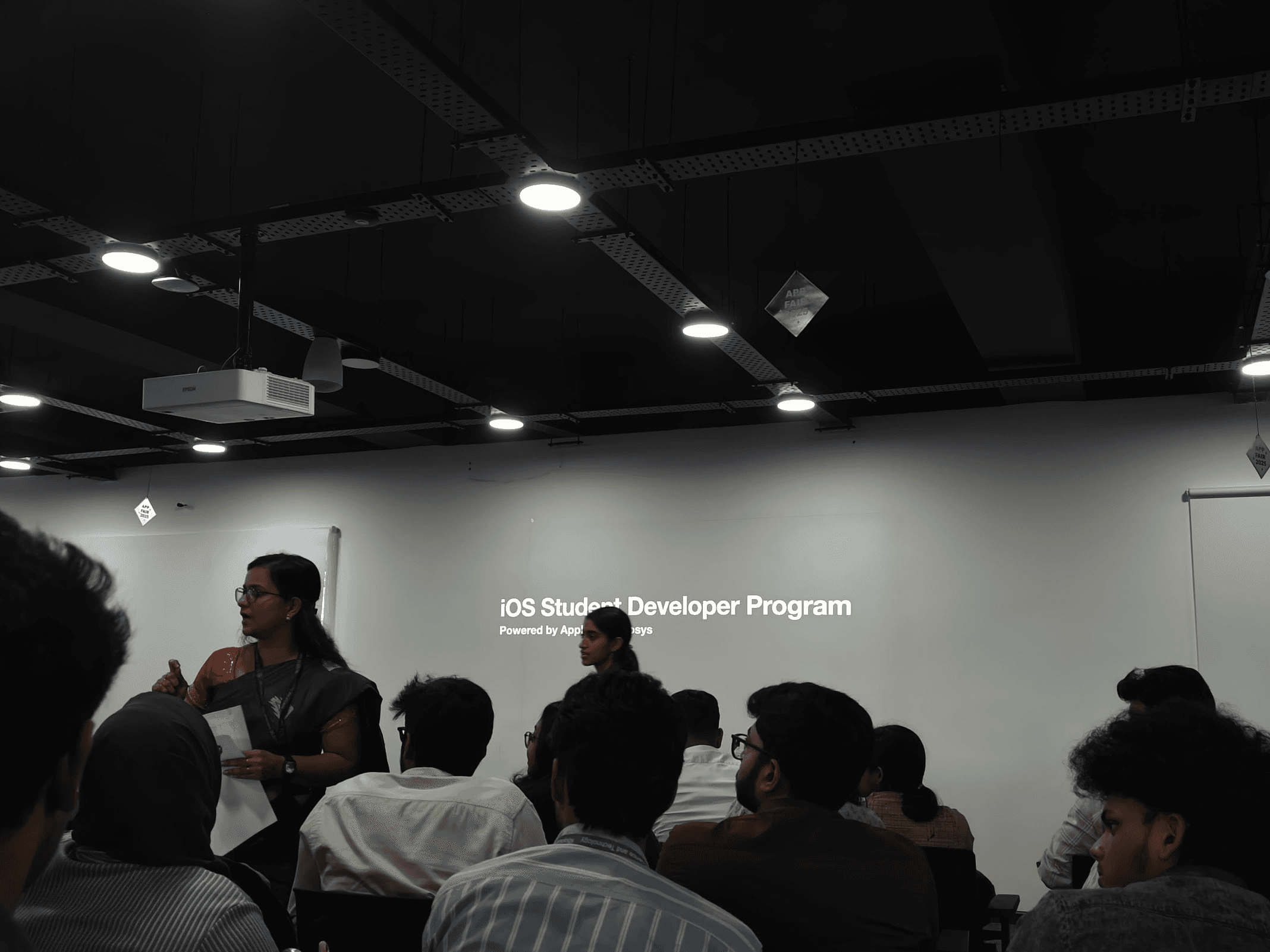
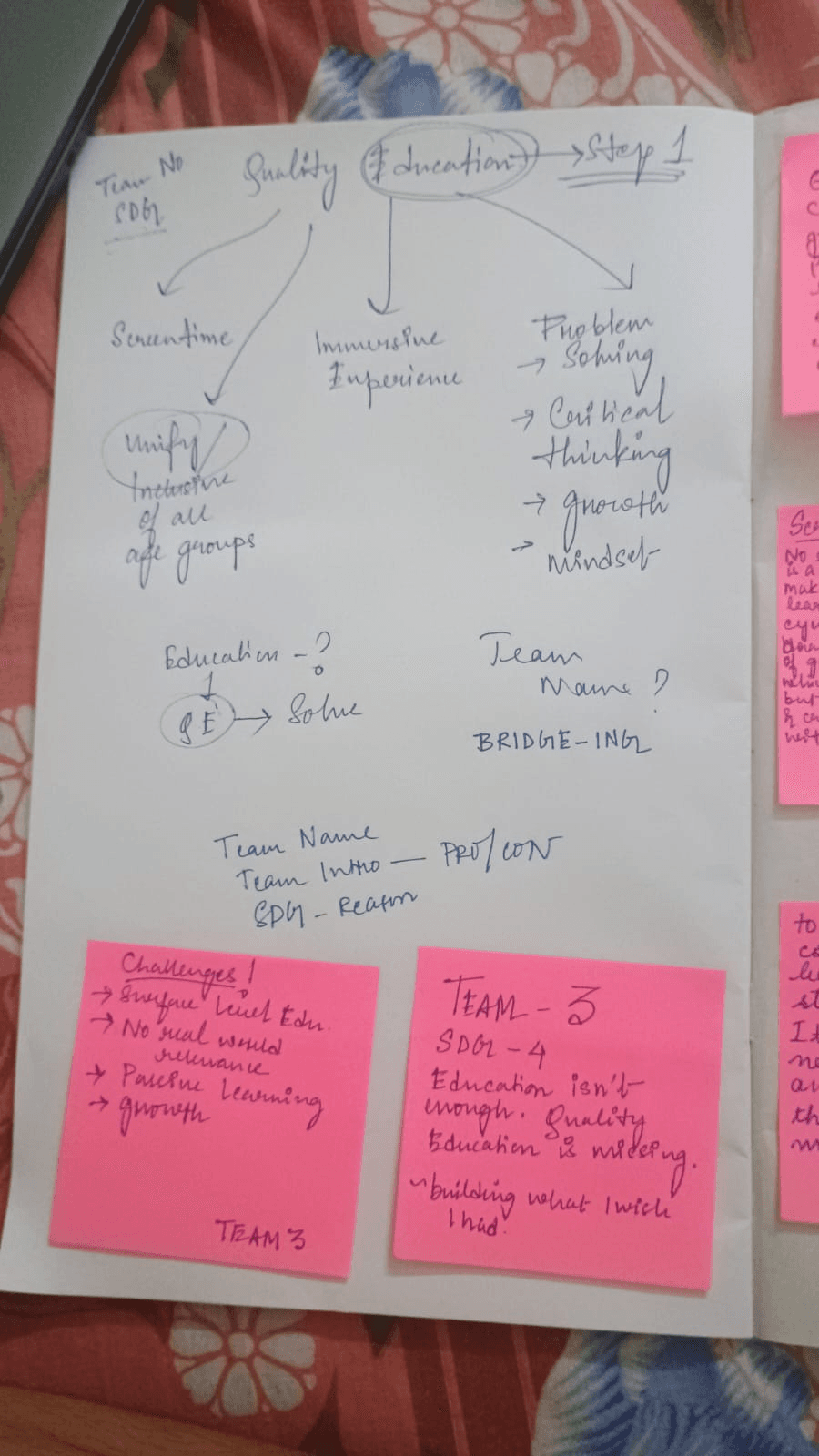
5-Day Offline Bootcamp - At the start of 5th semester, shortlisted students come in for an offline bootcamp in the Mac Lab. You're put into random teams, given a problem statement, and have five days to ideate, design, and pitch a solution. This round carries 50 Marks.
Infosys Coding Exam - On the same Sunday, there's an online coding exam with 2 programming questions. This round also carries 50 Marks.
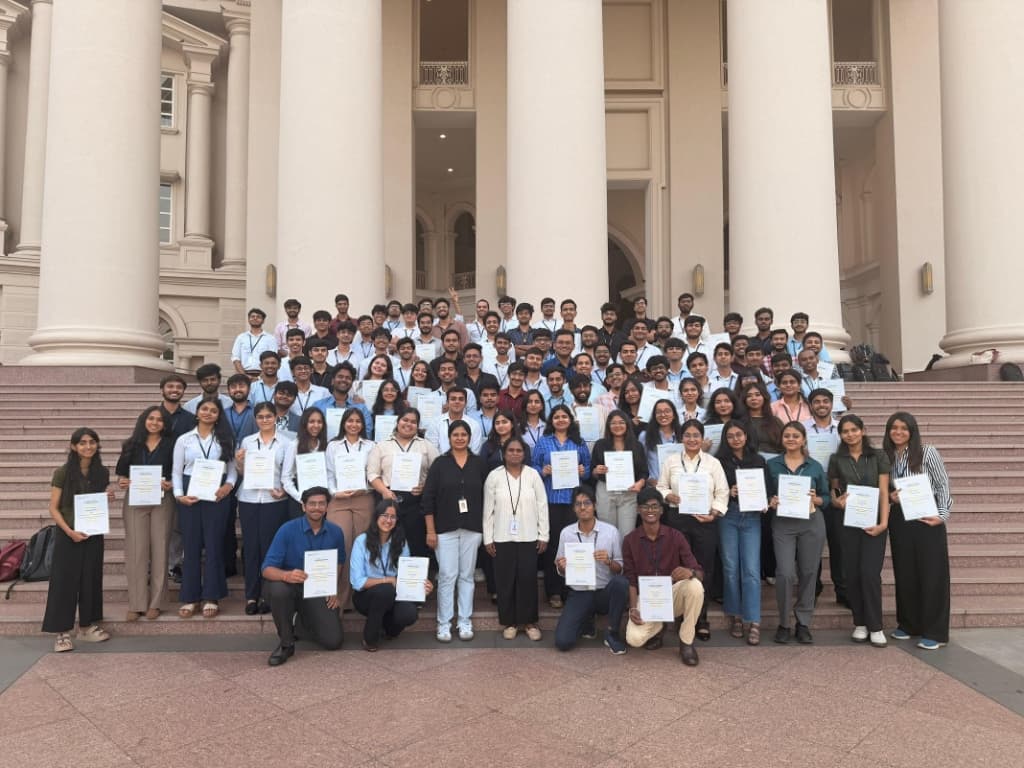
Results - Combined, these two rounds decide everything. Recent cutoff was roughly 62 marks out of 100, leading to a final batch of around 100 students.
Even if you don't get selected, your bootcamp and exam marks can replace your 5th semester open elective. So it's not wasted effort!
What Changes After You're In
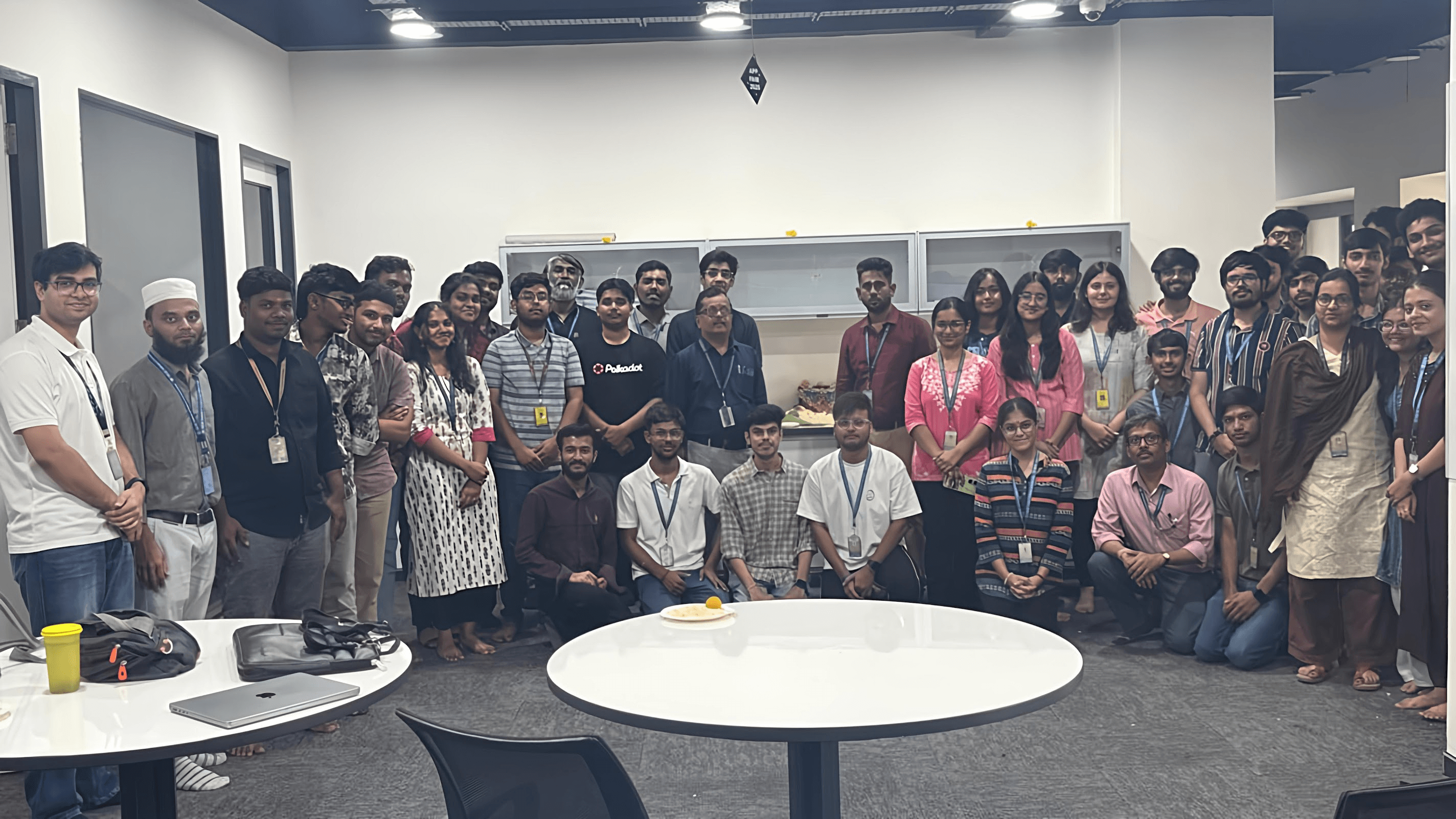
You're split into Morning (8-12) and Evening (1-5) batches. Your entire fifth semester changes. Instead of regular department classes, you spend almost all your time in the Apple Building (CRC).
You study completely different subjects:
- →Principles of UX/UI Design
- →iOS App Development
- →iOS App Prototype Design & Development
- →FLA & Mathematics
Every student gets a Mac to work on. From day one, it feels less like college and more like a product studio.
Building The Product
You choose your own team of 3. You pitch your own product idea. Then you spend the entire academic year turning that idea into a published iOS app.
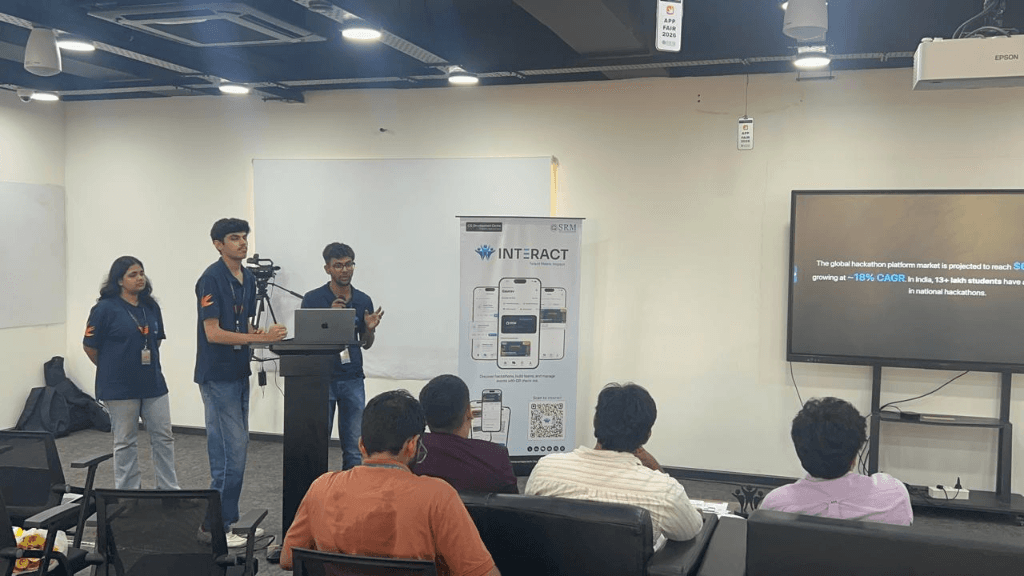
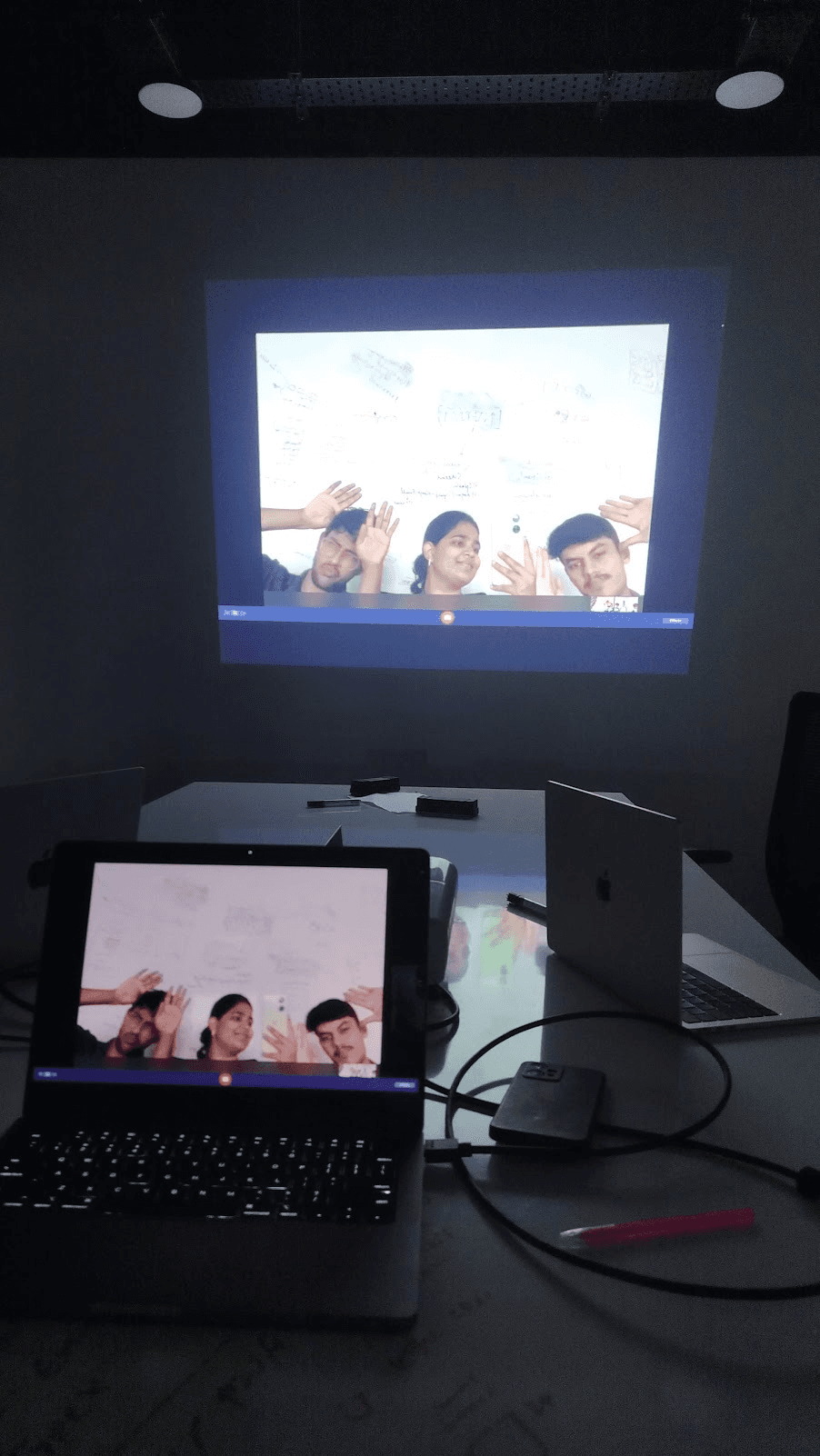
There are daily reviews, weekly mentor discussions, and monthly reviews with industry experts. You're constantly defending your decisions. Every feature, every screen, every interaction gets questioned.
You quickly realise: This program isn't just about writing Swift. It's about building products people would actually use.
The Infosys Mysore Internship
One of the best parts is the one-month offline internship at Infosys Mysore. You work from the Infosys campus, build an iOS app in teams, interact with professionals, and get your first exposure to a massive corporate engineering environment.
Clearing Up Common Myths
Will my CGPA drop? - Probably the biggest misconception. It didn't happen for me (entered at 9.66, graduated program at 9.69). If you manage time well, your academics won't suffer.
Will I miss placements? - Not true. You remain eligible for all placements. The placement cell coordinates perfectly around the program schedule.
Is this the same as Swift Club? - No. Swift Club is a student community. This is an official academic program integrated into your degree.
My Biggest Takeaway
If someone asked me to name the best academic opportunity at SRM, this would be it. Not because it's Apple. Not because of Macs.
But because it teaches you how to collaborate, receive feedback, defend your ideas, and iterate. It teaches you how to think like a product builder.
Final Thoughts
I was part of the Cohort 4. Looking back, joining was one of the best decisions I made during college. If the form opens up for you, give it a shot. It demands commitment, but it gives back far more than a certificate.