Quick heads up: This is based on my experience at SRMIST KTR. The program structure, selection process, and details might vary at other institutions. This is my take on how it worked for us.
The Apple × Infosys iOS Developer Program isn't just another certification. It's a year-long transformation from college student to product builder. Let me walk you through what it actually takes to get in, what happens inside, and whether it's worth it.
The Selection Process
Applications open in your 4th semester via a Google Form. You fill it with your profile details - CGPA, projects, skills, whatever you've done so far.
From around 2,000 applications, roughly 350 students get shortlisted purely on profile strength. If you make it through, you get called for the bootcamp.
The Bootcamp - Where Selection Really Happens
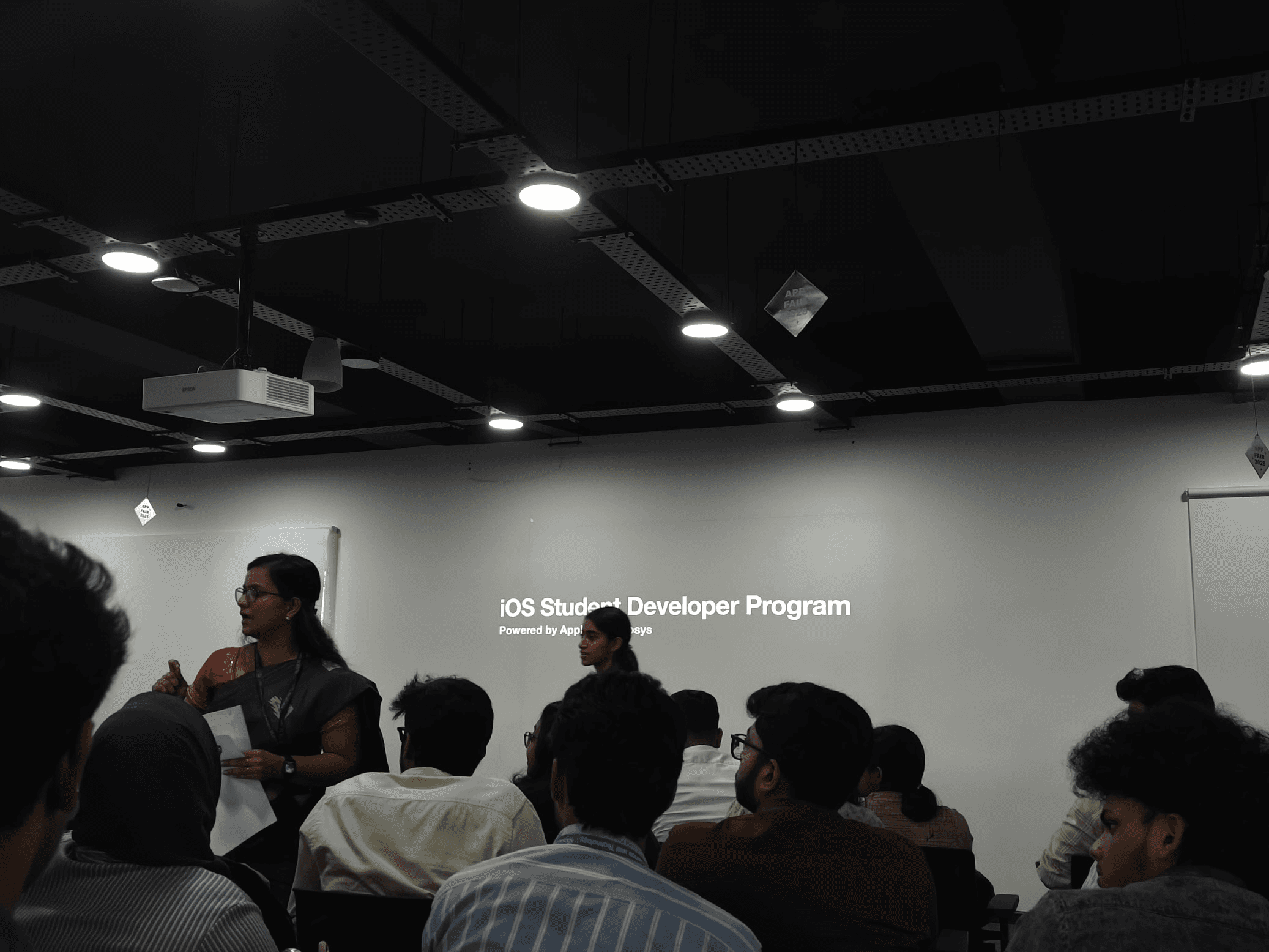
At the start of 5th semester, shortlisted students come in for a 5-day offline bootcamp in the Mac Lab. This is where things get real.
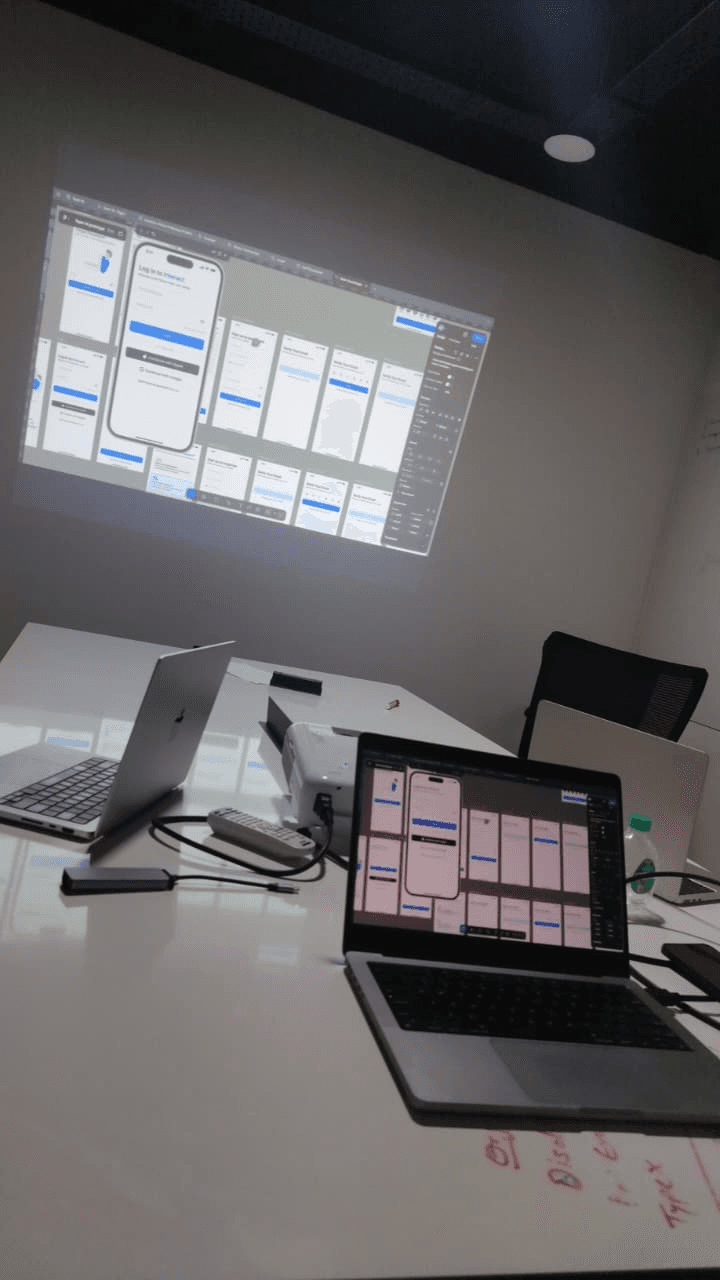
You're put into random teams, given an actual problem statement, and you have five days to: ideate a solution, design it, and pitch it. This round carries 50 marks and is the most important part of selection.
On the same Sunday, there's an Infosys coding exam (2 questions, 50 marks). Combined, these two rounds decide everything.
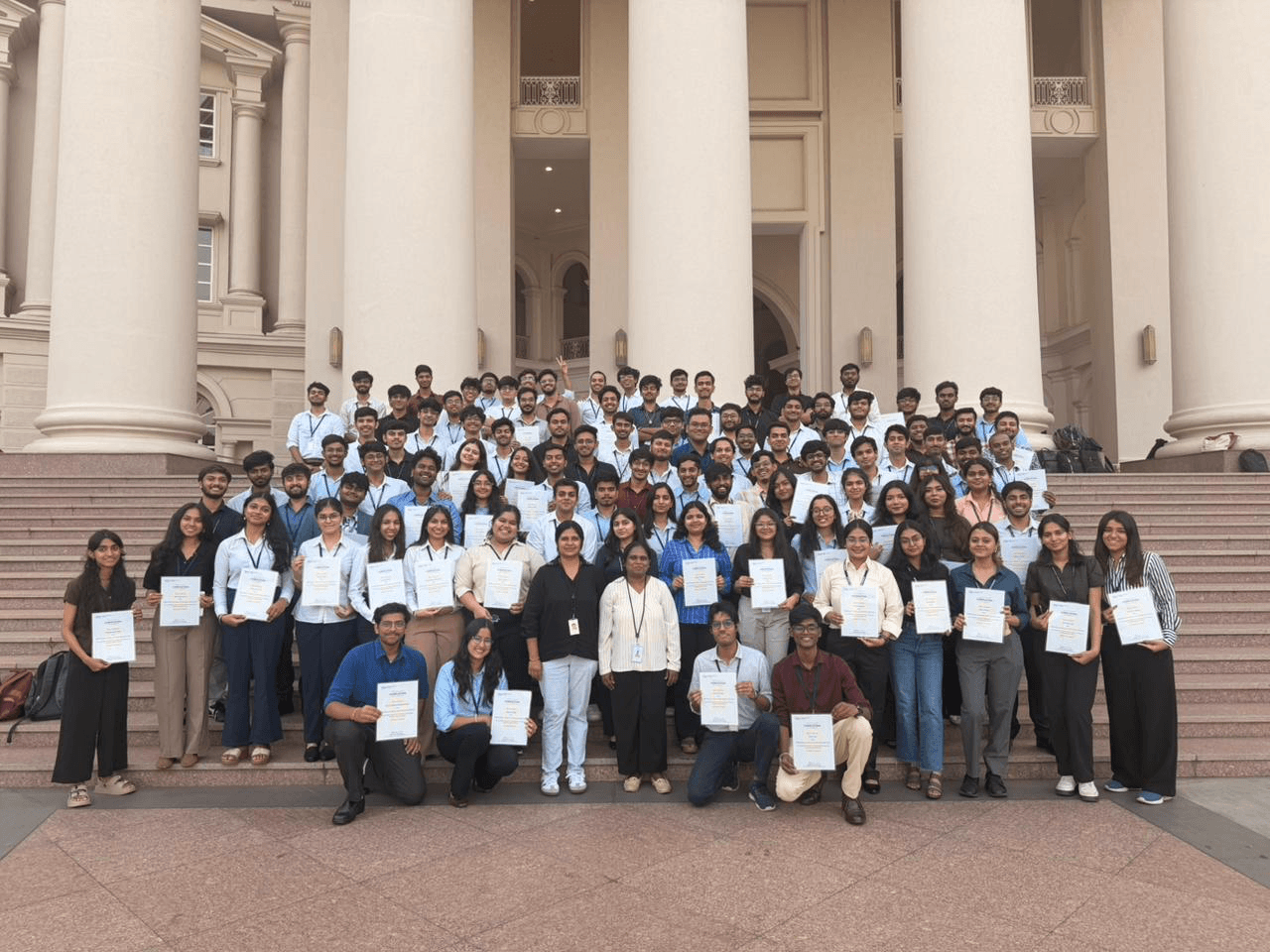
Results come in 3-4 days. From thousands of applicants, only 100 students make it. Recent cutoff: 62 marks out of 100.
Quick note: Even if you don't get selected, your bootcamp + exam marks can replace your 5th semester open elective. So it's not wasted effort.
What Changes After You're In
You're split into two batches of 50 (morning and evening). Your entire 5th semester changes. No regular classes. Instead, you get:
- Principles of UX/UI Design (Professional Elective)
- iOS App Development Skills (Professional Elective)
- iOS App Prototype Design and Development (Professional Elective)
- FLA (Common Subject)
- Maths (Common Subject)
All classes happen inside the Apple Building at CRC. You get a Mac assigned to you. It stops feeling like college pretty quickly.
How the Year Actually Works
This runs through your entire 3rd year. You pick a team of three, come up with an app idea, and then build it properly.
Not a college project. An actual product that goes on the App Store.
You go through multiple mentor reviews. You defend your design choices. You iterate. You refine. You learn how real products are built, not just coded.
There's also a month-long offline internship at Infosys - you actually visit their office, work there, see how a corporate setup functions.
Some core subjects that don't fit in 5th semester get shifted to 6th. Your schedule looks different from regular students, but it's manageable.
What It's Actually Like Inside
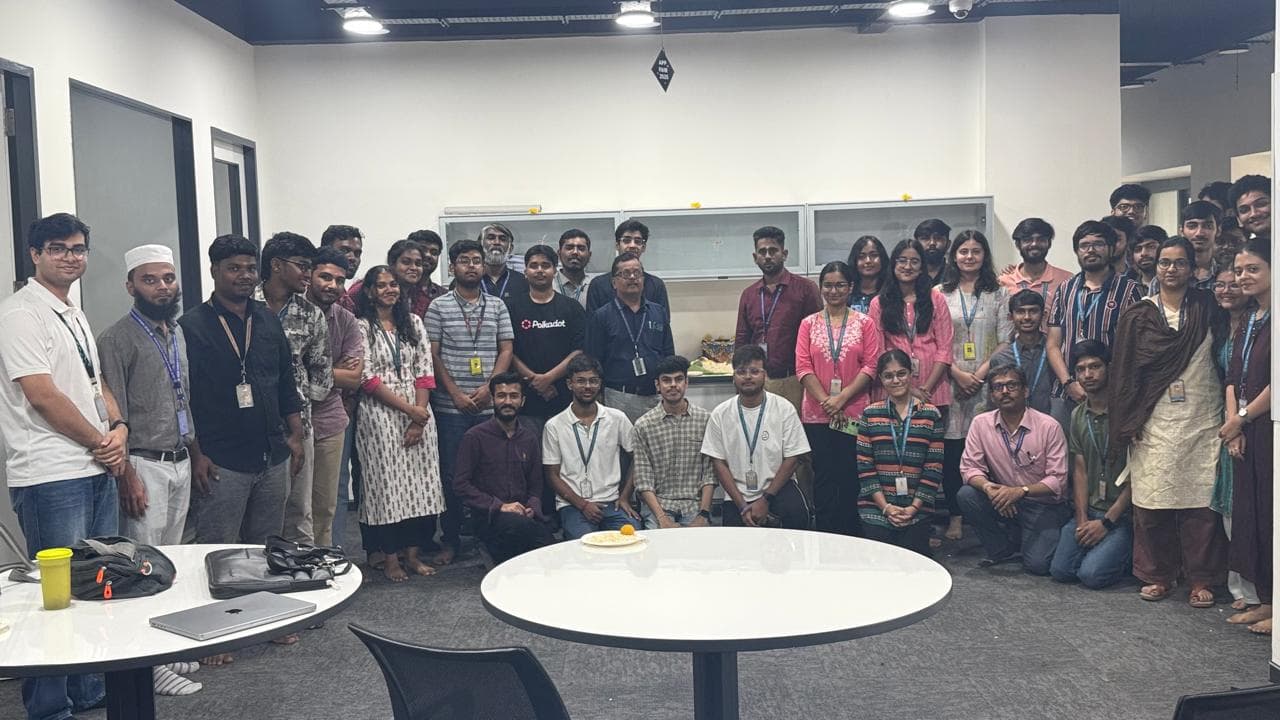
The culture is nothing like regular college. You're sitting with a Mac in every class (except Maths and FLA). It feels less like a classroom, more like a product studio.
There's more freedom. More ownership. More responsibility. You're not just attending lectures - you're building something that will have your name on it in the App Store.
What Apple Actually Evaluates
This isn't about memorizing Swift syntax. Apple cares about:
- How clearly you think through problems
- Why you make certain design decisions
- How you tell the story of your product
- Whether you keep things simple or overcomplicate
- How consistent you are through reviews and iterations
You're evaluated more on how you think and design than how much code you write. That's the Apple way.
Let's Clear Some Myths
"Your CGPA will drop" - Not true. Your academics stay safe if you manage your time. The program is demanding, but it's not designed to tank your grades.
"You'll miss placements" - Also not true. You get all placement opportunities like regular students. The only catch: you might miss some companies that visit during your Infosys internship month.
What You'll Actually Learn
This program changes how you think about building products. You stop rushing features and start thinking in user flows, accessibility, performance, documentation, and long-term usability.
You build slower, but you build better. That's what matters.
If you're wondering whether to apply - ask yourself: Do you want to learn how to build things the Apple way? Do you care about design and product thinking, not just code? Are you ready to commit a full year to becoming a better builder?
If yes, fill the form when it comes. It's worth it.